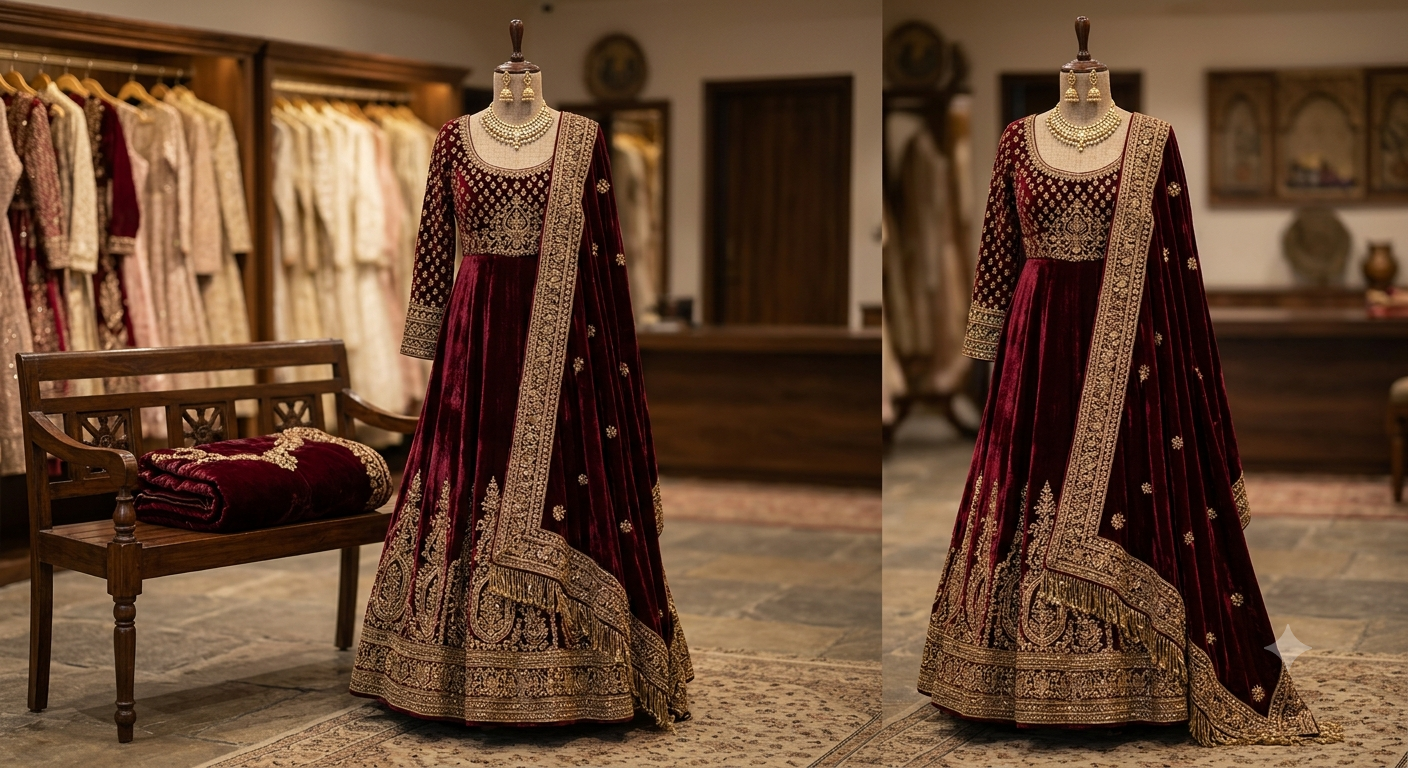
Embroidery is one of the most important features of Indian ethnic fashion. It adds texture, detail, and character to traditional outfits. People exploring Ladies Suits in Chandni Chowk can find many designs featuring different embroidery techniques, from simple thread patterns to detailed handwork. Understanding these techniques helps buyers identify different styles and learn what makes each suit unique.
What Is Embroidery in Indian Suits?
Embroidery is the art of decorating fabric with thread, needles, and other materials. It can be done by hand or machine, depending on the design and production process.
Indian suits often feature embroidery around the neckline, sleeves, front panel, borders, and dupatta. Some designs use small decorative patterns, while others include detailed motifs across larger areas of the fabric.
The embroidery style, colour, and placement can change the overall appearance of a suit. This is why two outfits made from similar fabrics can have very different looks.
7 Popular Types of Embroidery Used in Indian Suits
1. Zari Work
Zari work uses decorative metallic threads to create detailed patterns. It is commonly seen in traditional and festive outfits.
Zari embroidery may feature floral motifs, borders, leaves, and decorative designs. It is often used in wedding suits and festive collections.
2. Thread Work
Thread work uses coloured threads to create patterns on fabric. Designs may include flowers, leaves, geometric shapes, and traditional motifs.
It is used in both simple and heavily decorated suits. The choice of thread colour can create either a subtle or contrasting appearance.
3. Dabka Work
Dabka work is a traditional embroidery technique that uses coiled metallic elements to create raised decorative patterns.
It is often associated with detailed festive and wedding outfits. Dabka designs can add texture and dimension to the embroidered area.
4. Mirror Work
Mirror work involves attaching small decorative mirrors to fabric using embroidery stitches. It is popular in many traditional Indian clothing styles.
This technique is often used in festive outfits and designs inspired by regional craft traditions.
5. Sequin Work
Sequin work uses small decorative pieces to add shine to fabric. Sequins may be arranged in floral patterns, borders, or scattered designs.
This type of decoration is commonly found in party wear suits and festive outfits.
6. Resham Work
Resham embroidery uses silk or silk-like threads to create colourful patterns. It is known for its smooth appearance and detailed motifs.
Floral designs, traditional patterns, and decorative borders are common examples of resham work.
7. Cutdana Work
Cutdana work uses small, shaped decorative beads to create patterns on fabric. It can add a textured and detailed appearance to party wear and wedding suits.
The placement and combination of these elements influence the final design.
How Embroidery Changes the Look of a Suit
Embroidery does more than decorate fabric. It can influence the overall style and formality of an outfit.
Light threadwork can create a simple and elegant appearance. Detailed zari or dabka work may give a suit a more traditional festive look. Sequin and cutdana details can add decorative shine, making them suitable for celebrations and evening events.
When comparing ladies suits wholesalers in chandni chowk, understanding these techniques can help buyers identify the type of work used in different collections.
Which Embroidery Is Suitable for Different Occasions?
Different embroidery styles are used for different types of outfits.
- Everyday wear: Simple threadwork and small embroidered motifs.
- Office and casual gatherings: Light embroidery with balanced patterns.
- Festive celebrations: Zari, resham, mirror, and sequin work.
- Party wear: Sequin, cutdana, and decorative threadwork.
- Wedding functions: Detailed dabka, zari, and traditional handwork.
These are general styling suggestions. The best choice also depends on fabric, colour, personal preference, and the type of event.
How to Identify Good Embroidery Quality
When examining an embroidered suit, look closely at the details rather than judging it only by its appearance in photographs.
Check whether the stitches look neat and consistent. Look for secure decorative elements and clean finishing around the embroidered sections. Also examine how the embroidery sits on the fabric.
For heavily decorated outfits, consider the overall balance of the design and whether the fabric supports the embroidery properly.
Buyers exploring the chandni chowk wholesale suit market can use these points to compare different styles and understand the craftsmanship behind each collection.
How to Care for Embroidered Suits
Proper care can help maintain the appearance of embroidered outfits.
First, read the garment's care label because different fabrics and decorative materials require different cleaning methods. Avoid rough handling around delicate embroidery, and store heavily decorated suits carefully to prevent snagging.
For outfits with zari, mirrors, beads, or delicate handwork, professional cleaning may be suitable. Keep embroidered garments separate from rough or sharp accessories when storing them.
Traditional Embroidery in Modern Indian Fashion
Indian suit designs continue to combine traditional embroidery with contemporary styling. Designers use classic techniques on modern silhouettes, creating outfits that appeal to people with different fashion preferences.
For example, a traditional embroidered neckline may appear on a contemporary straight-cut suit. Similarly, a simple outfit can feature a detailed dupatta to create a balanced festive look.
This combination allows traditional craftsmanship to remain relevant while giving buyers more design choices.
Understanding Embroidery Before Choosing Your Suit
Embroidery is an important part of Indian ethnic fashion, and every technique offers a different appearance. Zari, thread, dabka, mirror, resham, sequin, and cutdana work each bring their own character to a suit.
Learning about these techniques makes it easier to compare designs, understand craftsmanship, and select outfits for different occasions. Whether you prefer simple decoration or detailed traditional handwork, knowing the basics of embroidery can help you make a more informed choice.
<https://shivsareeemporiumfrontierwale.netlify.app/collections>