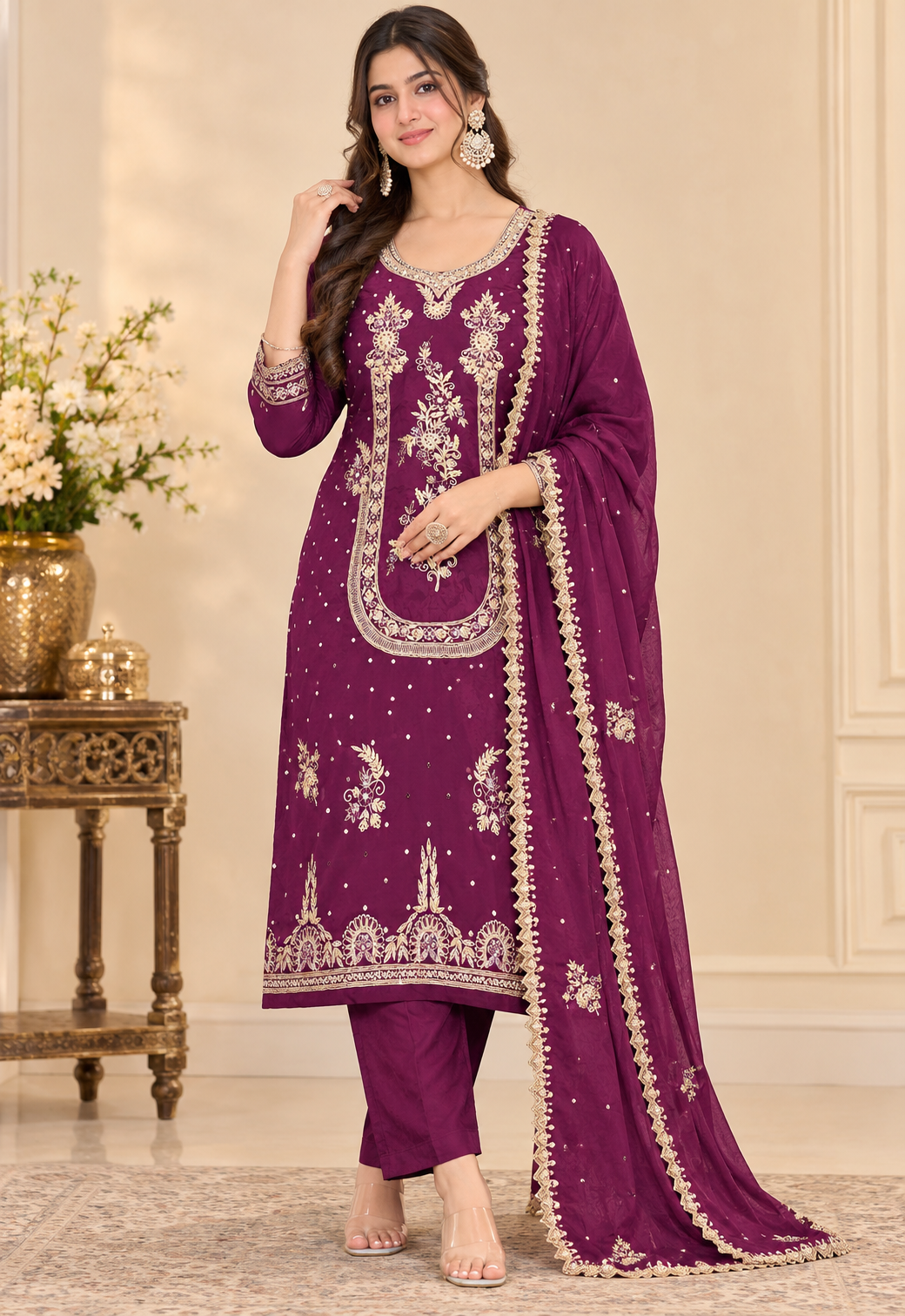
Handwork suits are an important part of Indian ethnic fashion because of their detailed embroidery and traditional craftsmanship. People exploring Ladies Suits in Chandni Chowk can discover different handwork styles, from delicate thread patterns to elaborate decorative designs. Understanding the embroidery, fabrics, and design elements can help buyers learn what makes each handwork suit different.
What Makes Handwork Suits Special?
Handwork suits are decorated using different embroidery techniques and skilled craftsmanship. Unlike plain outfits, these designs often feature carefully arranged patterns on the neckline, sleeves, front panel, borders, and dupatta.
The overall appearance depends on the type of embroidery, fabric, colour combination, and placement of decorative elements. Some suits feature minimal detailing, while others have elaborate work across the entire outfit.
Handwork designs are commonly seen in festive wear, party wear, wedding outfits, and traditional collections.
Popular Handwork Embroidery Techniques
Different embroidery techniques create different textures and patterns. Learning about them makes it easier to understand handwork suit designs.
1. Dabka Work
Dabka work is a traditional embroidery technique that uses coiled metallic elements to create raised patterns. It is often used for floral motifs, borders, and detailed decorative designs.
2. Zari Work
Zari embroidery uses metallic threads to create traditional patterns. It adds a decorative finish and is commonly found in festive and wedding suit collections.
3. Resham Work
Resham work uses coloured silk or silk-like threads to create floral, geometric, and traditional motifs. It can add colour and detail without relying on metallic decoration.
4. Cutdana Work
Cutdana embroidery uses small decorative beads to create textured patterns. It is often combined with other embroidery techniques to add detail to party wear and festive suits.
5. Sequence Work
Sequin work uses small decorative pieces to create a sparkling effect. It can be used for borders, necklines, sleeves, and larger patterns.
Trending Handwork Suit Collection Styles
Handwork suit designs continue to combine traditional embroidery with changing fashion preferences. Some popular design directions include:
Floral Embroidered Suits
Floral embroidery remains a common choice in Indian ethnic wear. Small flowers, leafy patterns, and detailed floral arrangements can create different looks depending on their size and placement.
Heavy Front-Panel Work
Some suits feature detailed embroidery concentrated on the front panel. This design creates a decorative centre while allowing other parts of the outfit to remain comparatively simple.
Neckline and Sleeve Detailing
Embroidered necklines and sleeves can add character to a suit without covering the entire fabric with heavy work. These details are often used in both traditional and contemporary designs.
Dupatta-Focused Handwork
In some collections, the dupatta carries much of the decorative work. Embroidered borders, floral motifs, and detailed patterns can complement a simpler suit.
Fabrics Commonly Used for Handwork Suits
Fabric selection influences how embroidery looks and how the complete outfit feels. Different materials offer different textures and draping qualities.
- Georgette: Often used for flowing suit designs.
- Silk: Common in rich festive and wedding outfits.
- Chiffon: Lightweight fabric frequently used for dupattas.
- Net: Used in decorative layers and embroidered designs.
- Velvet: Often selected for certain traditional and winter occasion outfits.
- Organza: Known for its structured and slightly sheer appearance.
The suitability of each fabric depends on the embroidery weight, design, season, and intended occasion.
How Handwork Suits Differ for Different Occasions
Handwork suits are available in designs for many types of events. Light embroidery may be suitable for daytime gatherings, while detailed patterns are often chosen for festive celebrations.
Wedding outfits may feature zari, dabka, and other traditional embroidery techniques. Party wear suits can include sequins, cutdana, and contemporary patterns.
When exploring collections from ladies suits wholesalers in chandni chowk, understanding these differences can help buyers compare designs according to their intended use.
What to Check When Exploring a Handwork Suit Collection
Before selecting a handwork suit, it is useful to examine more than its overall appearance.
1. Embroidery quality: Check whether the decorative work is neat and securely attached.
2. Fabric suitability: Consider whether the material supports the embroidery and suits the occasion.
3. Design placement: Look at the balance of work across the front, sleeves, neckline, and dupatta.
4. Colour combination: Check whether the embroidery complements the base fabric.
5. Finishing: Examine the borders, seams, and edges for a clean finish.
These details help explain the differences between various handwork designs.
How Traditional Handwork Is Influencing Modern Ethnic Fashion
Modern Indian ethnic fashion often combines traditional embroidery with contemporary silhouettes and styling. Classic floral motifs may appear on straight-cut suits, while traditional metallic work can be used with modern colour combinations.
Designers also experiment with the placement of embroidery. Instead of decorating every part of an outfit, some designs focus on selected areas to create a balanced appearance.
This combination of traditional techniques and modern design ideas allows handwork suits to remain an important part of Indian ethnic wear.
Understanding the Beauty of Handwork Suit Designs
Trending handwork suit collections offer many design possibilities through embroidery, fabric selection, colours, and decorative details. From zari and dabka to resham and cutdana, every technique brings a different character to an outfit.
Learning about these styles helps buyers understand the craftsmanship behind Indian suits and compare different designs more confidently. Whether exploring festive outfits, party wear, or traditional wedding collections, knowing the basics of handwork makes the selection process more informative.
<https://shivsareeemporiumfrontierwale.netlify.app/contact>